
Repairs & condition
Selling as-is: what to gather before you request an offer
A little preparation can make an as-is conversation much clearer—even when you have no plans to repair the house.
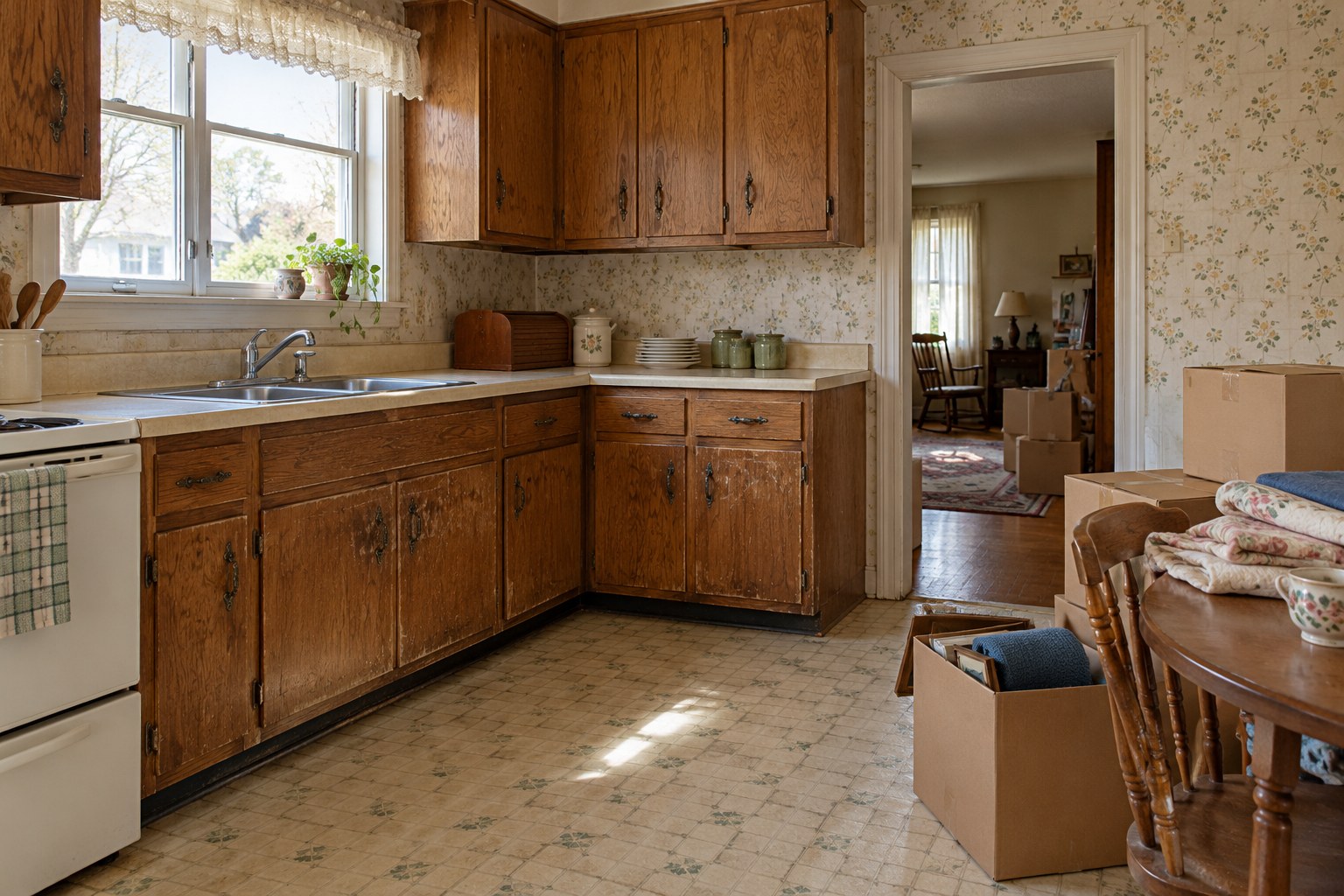
Write down the known condition
Make a simple list: roof concerns, leaks, electrical issues, heating and cooling, and any work left unfinished. Include when you noticed each issue and keep estimates or invoices you already have. A list is more useful than guessing a total renovation bill.
Gather the ownership and payment picture
Locate the latest mortgage statement, property tax information, HOA documents if applicable, and contact details for other owners. Do not send Social Security numbers or full financial account numbers through a general inquiry form.
Compare the contract, not just the price
Look at inspection periods, deposits, closing costs, buyer financing, cancellation terms, and the possession date. Ask who is named as the buyer and whether the contract allows assignment. An attractive headline amount is only one part of the decision.
Decide what happens to belongings
Separate what you will keep from what you would like to leave. Put any cleanout arrangement in writing. Confirm when you need to move and when keys are transferred.
Keep a short property file
Put the documents you already have in one folder: repair bids, invoices, inspection reports, notices and warranty paperwork. Date your notes about condition issues so you can explain when a problem appeared and what was done. You are organizing facts, not diagnosing the house. When you do not know the answer, say so. A buyer may still want an inspection, and the written agreement should explain how additional findings will be handled.
Set a practical access and move-out plan
Decide who can provide access, whether pets or occupants need to be accommodated, and which areas should not be entered without appropriate help. Make a separate list of belongings you want to keep. If you want to leave furniture or other items, ask whether the buyer agrees and record that arrangement. Also confirm the possession date. The day the sale closes and the day you leave the property should not be left to a verbal assumption.
Review the offer against your goal
If your main goal is avoiding repairs, look for terms that actually reflect an as-is purchase. If your main goal is a particular deadline, check the closing terms and what could delay them. If the money you keep matters most, request an escrow net sheet using current payoff information. Write your top two priorities down before comparing offers. That makes it easier to distinguish an appealing headline price from a contract that fits the sale you need.